We often think of protein as something for young athletes, but it matters just as much, if not more, as we get older. Protein helps us keep our muscles, our balance and our independence. Here is a friendly look at why it counts, and how to enjoy enough of it.
Why protein matters more with age
As the years pass, our bodies naturally lose a little muscle. This is a normal part of ageing, but too much loss can affect strength, balance and the ability to do everyday things like rising from a chair or carrying the shopping. Eating enough protein helps slow that loss and keeps us steadier on our feet.
Protein does more than build muscle, too. It supports the immune system, helps wounds heal, and keeps energy steady through the day.
How much, and how often
Older adults often benefit from spreading protein across the day rather than eating it all in one meal. A little at breakfast, lunch and dinner is easier for the body to use than a single large serving.
You do not need anything fancy. Everyday foods do the job well:
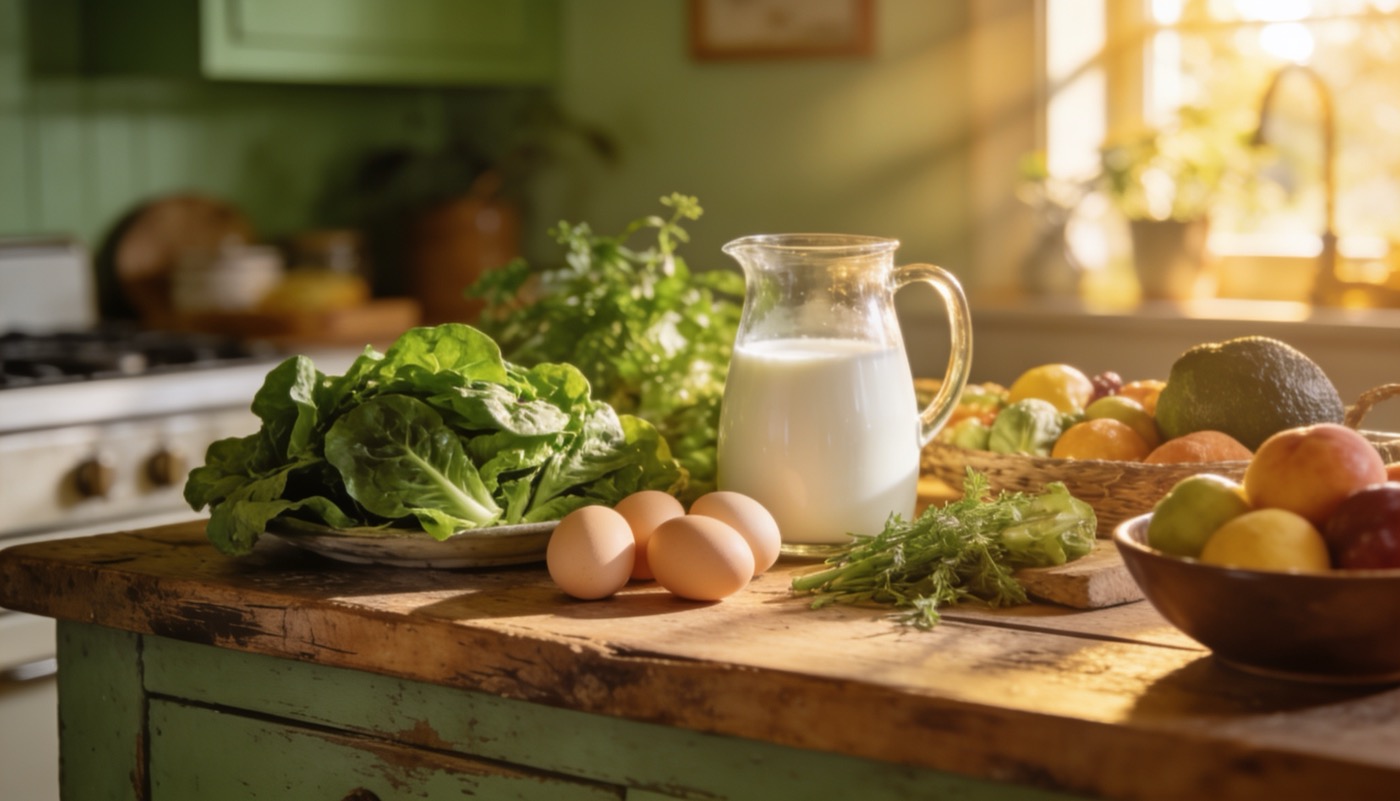
- Eggs, which are gentle, affordable and easy to prepare.
- Dairy such as milk, yoghurt and cheese, which also offer calcium.
- Fish, chicken and lean meat.
- Beans, lentils and tofu for plant-based meals.
- A handful of nuts or a spoon of nut butter as a simple snack.
Making it easy and enjoyable
Appetite can fade with age, so the trick is to make protein appealing rather than a chore. A creamy yoghurt with fruit, a soft scrambled egg, a comforting bowl of lentil soup; these are easy to eat and easy to love.
If chewing is difficult, softer options like fish, eggs, dairy and well-cooked legumes are kind on the mouth while still doing their work.
A word with the experts
If you are recovering from illness, eating less than usual, or living with a health condition, it is worth speaking with your GP or a dietitian. They can help you find the right balance for your needs.
Good food is one of the simple pleasures of each day. In our kitchen, every meal is cooked on site with care, so that eating well feels like comfort rather than a task.